
Femoral hernia repair
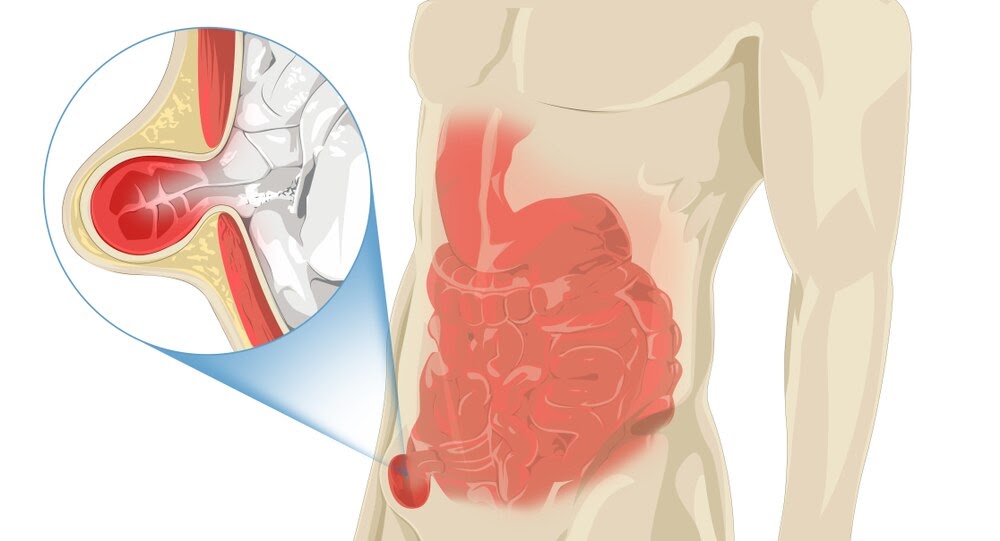
What is a femoral hernia?
A Femoral hernia is a bulge or weakness in the muscles of the stomach in the groin region. There is a weak spot on either side where the arteries and veins run in a tunnel down to your legs. In a femoral hernia, some tissue from the inside of your abdomen will protrude along this canal to form a sac that bulges in the groin. It usually contains fatty tissue, but it could also contain part of your intestine.
Procedure:
During the operation, a cut is made into the skin overlying the hernia. The bulge is pushed back, and the sac is cut off. The weak part is mended and strengthened, usually with stitches and a mesh. A mesh is a synthetic material used to strengthen the defect. The cut in the skin is then closed. This may be done laparoscopic (keyhole surgery) or open.
Possible complications:
- During the operation, damage may occur to the blood vessels in the groin, but this is very rare.
- After the surgery, a sausage-shaped lump is usually present under the wound, and this may feel like the original hernia. Do not worry, this is normal.
- Bruising and swelling may be troublesome and there may be a persistent ooze of clear fluid, particularly if the hernia was large. The swelling may take 4 to 6 weeks to resolve.
- Infection is a rare problem and will be treated appropriately by the surgeon.
- Occasionally there are numb patches in the skin around the wound which usually get better after 2-3 months.
- The risk of a recurrence of the hernia is about 5%.
Duration:
Usually, 60 minutes but may vary depending on the complexity and findings of the operation.